Choose cervical pillow size by shoulder width, sleep position, mattress feel and foam compression, with practical fit checks before regular use.
Compare body shape and sleep position
Side sleepers usually need to account for the space created by the shoulder. Back sleepers often need enough neck support without pushing the head sharply forward.
Use listed height as a starting point
Foam compresses under weight, so product height alone does not describe the final sleeping position. Mattress firmness and pillow contour also change the fit.
Test changes gradually
Try the pillow in the usual sleep position and notice whether support feels calm and balanced. Stop when discomfort repeatedly increases.
Measure before choosing
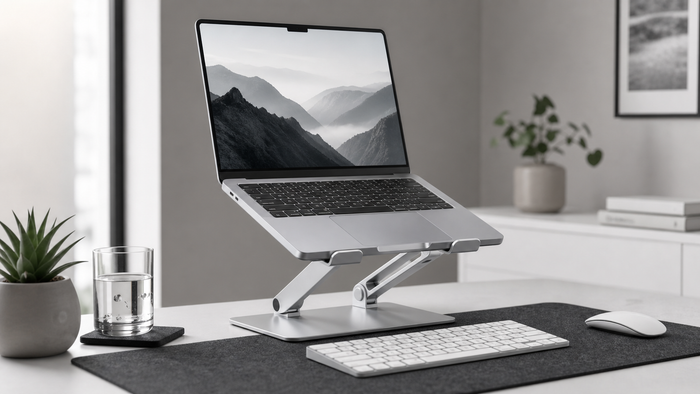
Measure the real workspace and equipment before ordering. Include connectors, moving parts and the space needed during a normal workday. Compare those measurements with the listed product dimensions instead of judging fit from a photo alone.
Use one change at a time
- Identify the exact source of friction.
- Measure the relevant space and equipment.
- Choose one practical adjustment.
- Check stability, reach and daily usability.
- Review the setup after a complete work session.
Frequently asked questions
Is a larger cervical pillow more supportive?
Not automatically. Shape, compression, body dimensions and sleep position matter more than the overall footprint alone.
Is this medical advice?
No. This is general information, not medical advice. Ask a qualified professional about severe, persistent or radiating pain.
Continue building the setup
General information, not medical advice.